
Let's be real about depression and desire
Depression doesn't just make you sad. It flattens the entire experience of wanting anything. Your clitoris is responsive, your nerve endings are intact, and yet nothing lands. You touch yourself and feel nothing. Your partner initiates and you feel... nothing. It's not a lack of attraction or care. It's that depression has locked the door to pleasure and stolen the key.
Then, after weeks or months of therapy, medication, or both, something shifts. The fog lifts a little. You have an actual thought that isn't about survival. And maybe, for the first time in months, you feel a tiny spark of desire. But here's what nobody tells you: rebuilding physical pleasure after depression takes strategy, patience, and the right tools.
Why your body feels different after depression lifts
When you've been depressed, your nervous system is in a prolonged state of shutdown. The parts of your brain that register pleasure don't just switch back on overnight. They warm up slowly, like an engine that's been sitting all winter. Your clitoris didn't stop working. Your capacity for sensation didn't disappear. But the neural pathways that carry those signals to your brain need to be reactivated.
Antidepressants complicate things further. SSRIs and SNRIs are effective at treating depression, but they also blunt sexual sensation for many people. When you start therapy and feeling better, you might stay on the medication. You're feeling mentally healthier but still carrying the sexual flatness the drugs created. Some people find their libido returns naturally when the depression fully lifts. Others need to work with that medication side effect as a variable in the equation.
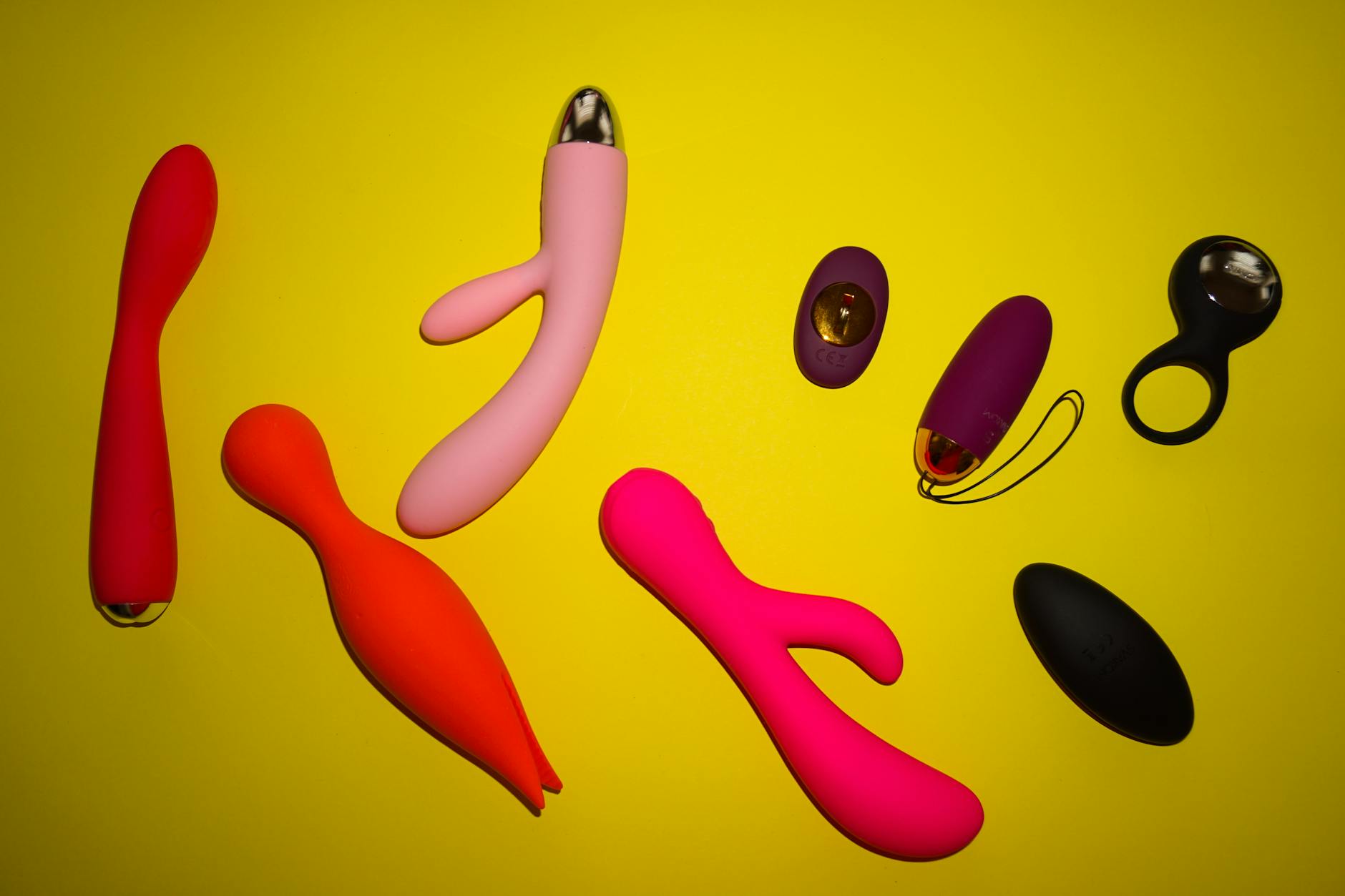
Photo by FounderTips on Pexels
Start with a lower-pressure tool
This is why lemon vibrators and other clitoral suckers are particularly useful after depression. Direct vibration can feel too invasive or overwhelming when you're just beginning to wake up sexually. A lemon clitoral vibrator uses suction and gentle pulsing instead of aggressive buzzing. That difference matters when your nervous system is still recalibrating.
The Lemon by My Lemon Sexual Toy gives you control over intensity that feels less jarring than a traditional vibrator might. You're not trying to rebuild sensation with a jackhammer. You're coaxing your nervous system back online with a tool designed for gentle, consistent stimulation. That distinction can be the difference between an experience that feels manageable and one that feels wrong.
Build a ritual around reconnection
Depression disconnects you from your body. Pleasure is, in part, about being present in your physical self. That's why the rebuild works best when you create structure around it. Set aside 20 minutes when you're not rushing. Not when your partner is waiting for something to happen. Not when you're multitasking. Time when you've given yourself permission to feel nothing and that's okay.
Light a candle if that helps. Put your phone in another room. The goal isn't to achieve orgasm. The goal is to reestablish the connection between your brain and your body. Some sessions will result in arousal and pleasure. Others won't. Both outcomes are data. Both are part of the rebuild.
Start with your hands first. Touch your own thighs, your stomach, your breasts. Notice what you feel. Don't judge it. Notice it. After five or ten minutes of gentle touch, introduce the lemon vibrator on its lowest setting. The suction should feel soft, almost like a question your body is being asked rather than a demand.
Move through the intensity levels intentionally
Lemon vibrators typically offer three to five intensity levels. Most people naturally jump to high intensity, assuming that will trigger sensation faster. It won't. It'll likely create frustration because your nervous system isn't ready for that signal yet. It's like turning up a radio that's still tuning in.
Start at level one and spend three to five sessions there before moving to level two. You're not trying to rush. You're trying to rebuild. Your nervous system will tell you when it's ready for more. That might be after two weeks or two months. There's no timeline. The point is that when you do eventually find yourself reaching for a higher setting, it's because your body is asking for it, not because you're trying to force a response.
Many people report that the most surprising part of this process is how quickly sensation can return once you're consistent. After weeks of feeling nothing, a session at level three might suddenly feel genuinely pleasurable. That shift doesn't mean you're healed. It means your nervous system is beginning to trust that pleasure is possible again.
Communicate with your partner if you have one
If you're partnered, this conversation needs to happen before you start using lemon vibrators for this purpose. Depression doesn't just affect the person experiencing it. It affects the relationship. Your partner may be relieved that you're feeling better. They may also feel rejected or confused about why you want to rebuild pleasure solo before involving them.
Here's the honest part: you need to rebuild the connection between you and your own body first. That's not rejection. That's essential groundwork. Once you've spent a few weeks reactivating your own nervous system, you can gradually invite your partner into that space. But trying to rebuild couple intimacy before you've reestablished self-intimacy creates pressure. And pressure is the enemy of pleasure returning.
Tell your partner that you're working on reconnecting with your body. That you need some solo time with this process. That when you're ready, you'd like them involved. A partner worth keeping will understand that this is part of your healing, not evidence that you're not attracted to them or that something is wrong with the relationship.
Watch for signs that you might need more support
For most people, as depression lifts and consistent gentle stimulation reestablishes neural pathways, desire gradually returns. But depression doesn't always lift in a straight line. Some people have setbacks. Some find that even as mood improves, sexual desire stays flat. That might mean your medication needs adjusting. It might mean you need more therapy work. It might mean you need to talk to your doctor about this specific side effect.
If you've been consistently using lemon vibrators for six to eight weeks, you're having some positive sessions but not seeing much overall improvement, that's worth flagging with your therapist or doctor. Low libido as a depression symptom is real. Low libido as a medication side effect is also real. Knowing which one you're dealing with changes the approach.
Pleasure is not a timeline
The most important thing to know about rebuilding desire after depression is that it doesn't follow a schedule. You don't have to feel sexual again by a certain date. You don't owe anyone orgasms on a timeline. Lemon vibrators and other clitoral vibrators are tools that can help your nervous system remember what sensation is. But they're not magic. They're just a way of asking your body gently, consistently, and without pressure to come back online.
Some people find that desire returns quickly. Others need months. Some people's relationship with pleasure permanently shifts after depression. That's not failure. That's adaptation. The goal isn't to get back to where you were. The goal is to build something sustainable from where you are now.
FAQ
Can I use lemon vibrators while I'm still taking antidepressants?
Yes. In fact, many people do. Antidepressants don't prevent you from using vibrators. They may blunt some sensation, but gentle, consistent stimulation with a clitoral sucker can help you work around that flatness. If you're concerned about medication interactions, that's a question for your prescriber, but generally speaking, there's no contraindication.
What if lemon vibrators don't feel like anything?
That's common early in the rebuild. You're asking a nervous system that's been offline to suddenly register sensation. Start with your hands first. Spend time just touching yourself without any tool. Let your nervous system wake up gradually. The vibrator will feel different once your baseline sensation returns.
How often should I use a lemon vibrator while rebuilding desire?
Three to four times per week is a good starting point. Consistency matters more than frequency. Your nervous system is learning that pleasure is safe and possible. Regular, gentle exposure sends that message more effectively than intense, sporadic sessions.
Is it normal to cry or feel emotional while using vibrators after depression?
Completely normal. Depression creates a disconnect from your body. Reconnecting can bring up grief, relief, frustration, or even joy. Let yourself feel whatever comes up. You're not broken. You're healing.
Should I aim for orgasm when rebuilding desire?
Not necessarily. In the early stages, the goal is sensation and presence, not outcome. Some sessions will lead to orgasm. Others won't. Both are success. You're rebuilding the pathway, not chasing a destination.
What if my partner wants to be involved but I'm not ready?
You get to say no. Set a boundary. Tell your partner when you might be ready. In the meantime, rebuild solo. Your readiness is what matters, not their timeline or your guilt about theirs.
Moving forward
Depression teaches your body that wanting things is risky. Rebuilding desire is about teaching your nervous system that pleasure is safe again. It's slow work. It's worthwhile work. Lemon vibrators and other clitoral suckers give you a gentle tool to do that reclamation. If you have questions about your specific situation, reach out to a therapist who specializes in this intersection of mental health and sexuality. You deserve support that meets you where you actually are. For more guidance on using clitoral vibrators in different contexts, check out our resources on how to use lemon vibrators when stress and anxiety get in the way or how lemon vibrators help with arousal when you're taking SSRIs.