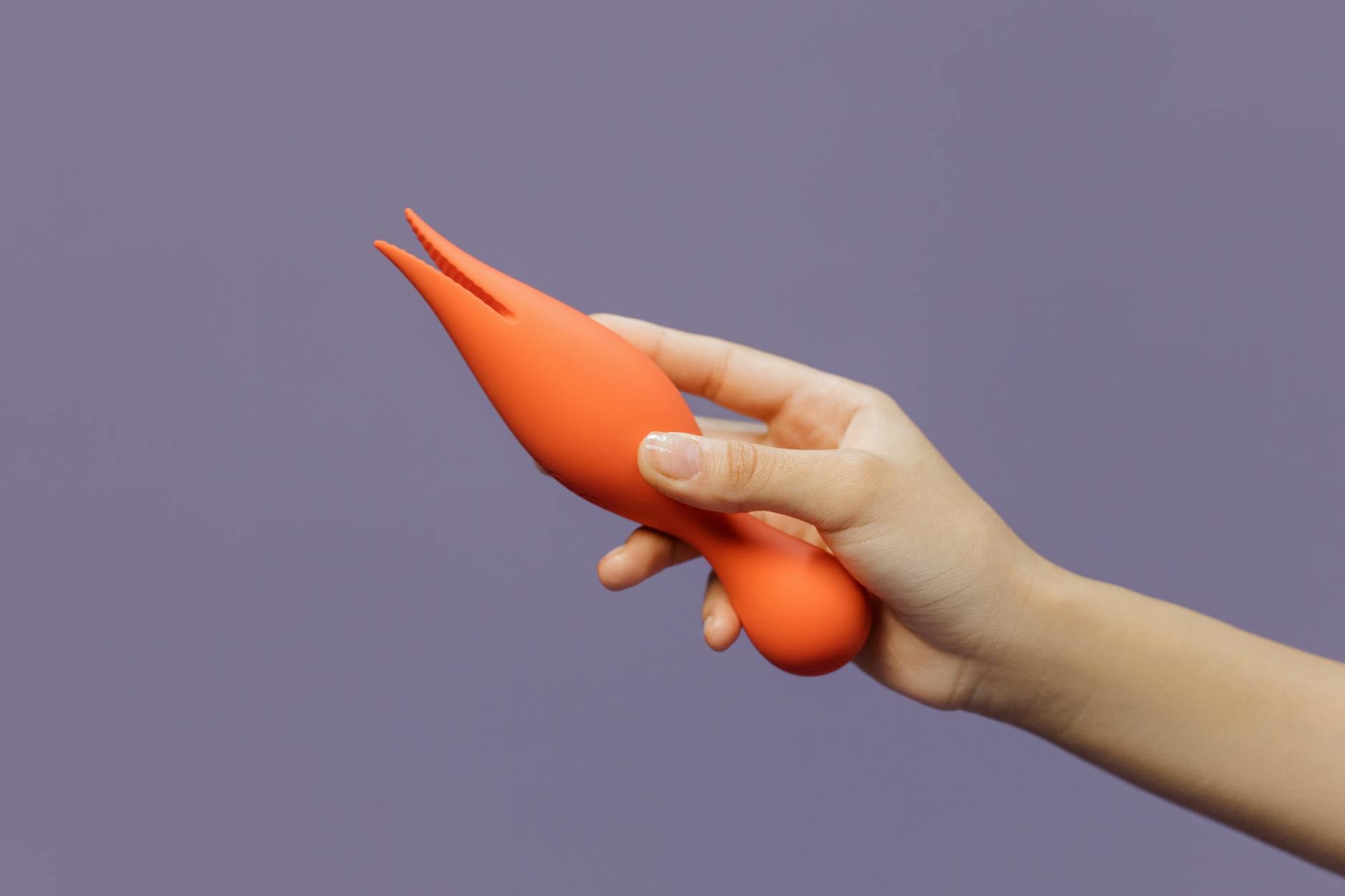
When sensation just stops working
Let's be real. Nerve damage changes everything about how your body feels. Whether it's diabetic neuropathy, chemotherapy side effects, spinal injuries, or peripheral nerve damage from surgery, numbness isn't just inconvenient.It's isolating. The parts of you that used to light up feel like they're behind glass.
The good news nobody tells you: nerve damage doesn't mean sensation is gone forever. It means your nervous system needs a different kind of signal to wake up. This is where lemon vibrators actually shine, and why they work so much better for nerve damage than traditional vibration does.
Why standard vibrators fall flat with neuropathy
Most vibrators send a broad, diffuse vibration into tissue. For healthy nerves, that works fine. For damaged or regenerating nerves, it's basically background noise. Your nervous system can't grab onto it.
Lemon clitoral vibrators work through suction and pulsing rhythm instead of pure vibration. That creates a completely different neural signal. Instead of a general hum, suction creates precise pressure waves that your nerves can actually recognize and amplify. It's not about how strong the stimulation is.It's about whether your nervous system can perceive it at all.
I've worked with clients dealing with chemotherapy-related neuropathy, diabetic nerve damage, and post-surgical numbness. The pattern is almost universal: when they switch from conventional vibrators to a lemon sucker design, sensation comes back faster.
How nerve damage actually affects pleasure
Three mechanisms matter here:
1. Demyelination. Nerve damage often damages the myelin sheath, which speeds up electrical signals. Without it, messages travel slower. Your brain is literally receiving information on a delayed feed. Suction-based stimulation creates more consistent, recognizable patterns that don't require lightning-fast nerve transmission.
2. Receptor sensitivity. Diabetes especially damages sensory receptors in the skin. They stop responding to light touch. But mechanoreceptors that detect pressure and vibration sometimes survive longer. Suction hits those deeper pressure receptors instead of just surface touch.
3. Central sensitization. Sometimes neuropathy triggers your nervous system to downregulate sensitivity.It's protective, but it also means pleasure gets locked out. Rhythmic, repetitive stimulation from lemon vibrators can help retrain your nervous system to recognize sensations again.
Starting with a lemon vibrator when sensation is low
Three rules I always recommend:
Start with pattern one, always. Don't assume you need intensity. With nerve damage, intensity often creates pain, not pleasure.The lowest pattern on a lemon clitoral vibrator is often the sweet spot because it's consistent and your nervous system can actually track it. Many clients report that after three to five sessions at pattern one, they notice sensation building. Then they gradually move to higher patterns.
Use lube generously. This sounds basic, but with neuropathy, you can't feel if tissue is getting irritated. More lube means less friction, which means you can use the lemon vibrator for longer sessions without causing damage you can't detect. Water-based lube won't hurt silicone toys and it won't interfere with sensation the way oil-based products do.
Session time matters more than intensity. Twenty minutes at pattern two is going to teach your nerves way more than five minutes at maximum. Think of it like physical therapy for your nervous system. Consistent, gentle, longer stimulation helps regenerating nerves find their rhythm again.
The neuroscience of rebuilding sensation
When nerves are damaged, the brain essentially stops listening to them. Long-term signals of numbness actually reprogram how your central nervous system routes pleasure. Regular, predictable stimulation slowly rewires those pathways.
Research on spinal cord injury patients and cancer survivors shows that rhythmic vibration over weeks can restore measurable sensation in supposedly "dead" areas. The mechanism isn't fully understood, but the pattern is consistent: your nervous system needs repetition and time to remember how to feel.
A lemon sucker vibrator's pulsing rhythm is actually ideal for this retraining because it's percussive and recognizable. Your nervous system can grab onto a rhythm way easier than it can grab onto generic buzzing.
What to expect in the first few weeks
Honestly, the first session might feel like nothing. That's normal and it doesn't mean it's not working. Some clients report tingling or pins-and-needles feeling after their first or second use. That's actually a good sign.It means your nerves are waking up.
Week two and three, most people notice the sensation starting to sharpen. What felt distant now feels closer. The lemon vibrator might start creating recognizable pleasure instead of just generic pressure.
Week four onward, many clients report that sensation outside of vibrator use is also improving. Your body isn't compartmentalizing the rewiring.It's happening systemically.
If you're not noticing anything after four weeks of consistent use, talk to your doctor. Some types of nerve damage progress slower, and some respond better to combining vibration therapy with physical therapy or neuropathic pain medications.
When to layer in other tools
Once a lemon vibrator is helping restore basic sensation, you can start experimenting with other textures. Temperature play becomes interesting.Try holding the vibrator under cool water, then warm water, and noticing what sensations return.
Light touch with fingertips between vibrator sessions can also help. You're training your nervous system to receive information from multiple sources, which speeds up overall healing.
Some clients also find that combining lemon vibrator sessions with daily moisturizing of the affected area helps. You're not just stimulating. You're also creating a ritual of attention and touch that your nervous system starts to anticipate.
Managing pain alongside numbness
Here's the thing that catches people off guard: sometimes sensation comes back as pain first. Neuropathic pain is your nervous system recalibrating. It's not dangerous, but it's uncomfortable.
If you're experiencing sharp pain during or after using a lemon vibrator, dial back to an even lower pattern or shorten sessions to ten minutes. Your nervous system might be overstimulated as it heals. That's fixable.You're not doing damage.You're just going too fast.
If pain is severe or doesn't improve after a few sessions, check in with your doctor. Some people need topical numbing cream or pain medication adjusted before vibrator therapy becomes comfortable.
The relationship between medication and sensation
Certain medications can complicate this process. Anticonvulsants used for neuropathic pain, some diabetes medications, and certain chemotherapy drugs can all affect how quickly sensation returns.
This doesn't mean lemon vibrators won't work.It might just mean the timeline is longer or the pattern of return is different. Your nervous system is still retraining, but it's doing it under different chemical conditions.
If you're on medication for nerve damage, your doctor can give you a realistic timeline for sensation recovery with or without vibration therapy. Most doctors are supportive of this kind of sensory retraining because it's safe and evidence-based.
The patience part nobody wants to hear
Nerve regeneration is slow. Real regeneration of damaged nerve fibers takes months or years. But perception of sensation can come back much faster, sometimes within weeks, because you're retraining your nervous system's interpretation of signals, not just waiting for physical regrowth.
This distinction matters because it means you can feel significant improvement long before your nerve damage is technically "healed." Many people report that three months of consistent lemon vibrator use brings them from severe numbness to functional, pleasurable sensation.
But it requires showing up consistently. Sporadic use teaches your nervous system nothing. Think of this like physical therapy, not like a magic fix. Ten to twenty minutes, three to five times a week, for at least six to eight weeks. That's the pattern that actually rewires things.
When to bring a partner into this
If you have a partner, this kind of retraining is actually easier with them involved, not because of anything romantic, but because consistency becomes easier. A partner who understands the goal makes it simpler to stick with regular sessions instead of abandoning the practice after two weeks.
If you want to explore sensation recovery as a couple, communication is everything. Your partner needs to understand that this isn't about performance or orgasm. It's about nervous system retraining. You're both just showing up to create consistent, gentle stimulation. That kind of no-pressure approach actually speeds recovery because stress and performance anxiety shut down sensation even faster.
Check out how other couples <a href="/blog/how-to-use-lemon-vibrator-with-a-new-partner-without-awkwardness">navigate new tools without awkwardness</a> if you want language to use.
Tracking your own progress
Keep a simple log. Date, pattern used, how long, what you felt (or didn't). You're looking for patterns in how sensation is changing, not looking for perfect orgasms. Some people notice that certain patterns feel clearer than others. Some notice that after six weeks, pattern one now feels like what pattern two used to feel like.
That data tells you that rewiring is actually happening. Your nervous system is getting more sensitive and efficient at interpreting signals. That's the whole goal.
FAQs
Can I use a lemon vibrator if I have severe numbness and can't feel anything down there?
Yes. That's actually the exact situation where lemon vibrators shine. Start with pattern one and commit to at least four weeks of consistent use before deciding it's not working. Many people with complete numbness start feeling recognizable sensations within two to three weeks because suction creates such a distinct neural signal that even severely damaged nerves can catch it. Just make sure you're using lube and not pushing intensity too fast.
How is a lemon clitoral vibrator different from a regular vibrator for nerve damage?
Regular vibrators create broad, general vibration. Damaged nerves can't perceive that as clearly because the signal is too diffuse. Lemon suckers create rhythmic pressure waves that are more distinct and easier for compromised nerves to recognize. It's like the difference between trying to hear someone whisper in a crowded room versus hearing a clear bell ring. Your nervous system can grab onto the bell.
Will using a lemon vibrator on numb areas cause damage I can't feel?
Potentially, yes. If you use intense stimulation for too long without lube or don't feel irritation because of the numbness. That's why starting low and using generous lube is crucial. If you follow the protocol in this guide (low pattern, generous lube, limited initial sessions), risk is very low. You're not pushing past tissue safety. You're just gently waking up your nerves.
Does nerve sensation come back the same way it left?
Not usually. Some people report that sensation comes back in patches.Some notice that certain areas recover faster than others. The clitoris sometimes recovers feeling before surrounding tissue does. This is normal and expected. Your nervous system isn't regrowing uniformly. It's regrowing where it can first, and the sensations might feel slightly different than they did before. Often that's actually better because you learn pleasure all over again.
Can I use a lemon sucker if I'm also taking neuropathic pain medication?
Yes. In fact, combining vibrator therapy with pain medication can help because you're addressing sensation recovery while the medication manages the pain that sometimes accompanies that recovery. Some doctors actually recommend this combination. Talk to your prescribing doctor about your plan to use a lemon vibrator for sensation retraining. Most are supportive and some might adjust dosing to optimize both treatments.
How long until I get sensation back completely?
It depends on the type and severity of nerve damage. Some people feel major improvement in six to eight weeks. Others need three to six months. Real nerve regrowth can take years. But functional sensation often returns much faster than you'd expect, sometimes within weeks of consistent use. Focus on the progress you're noticing (tingling, warmth, pressure recognition) rather than waiting for perfect sensation to return all at once.
The bottom line
Nerve damage is isolating because pleasure disappears behind numbness. But numbness isn't permanent. Rewiring your nervous system to perceive sensation again is completely possible. A lemon vibrator's suction-based rhythm gives your compromised nerves something they can actually recognize and amplify.
Start low. Use lube. Show up consistently. Give your nervous system time to remember how to feel. Most people see meaningful improvement in four to eight weeks. You're not looking for perfect sensation. You're looking for your pleasure to come back home.
If you want to explore this with a partner, read about <a href="/blog/how-to-use-lemon-vibrator-with-your-partner-after-years-apart">rebuilding intimacy after long gaps</a>. The principles are the same.