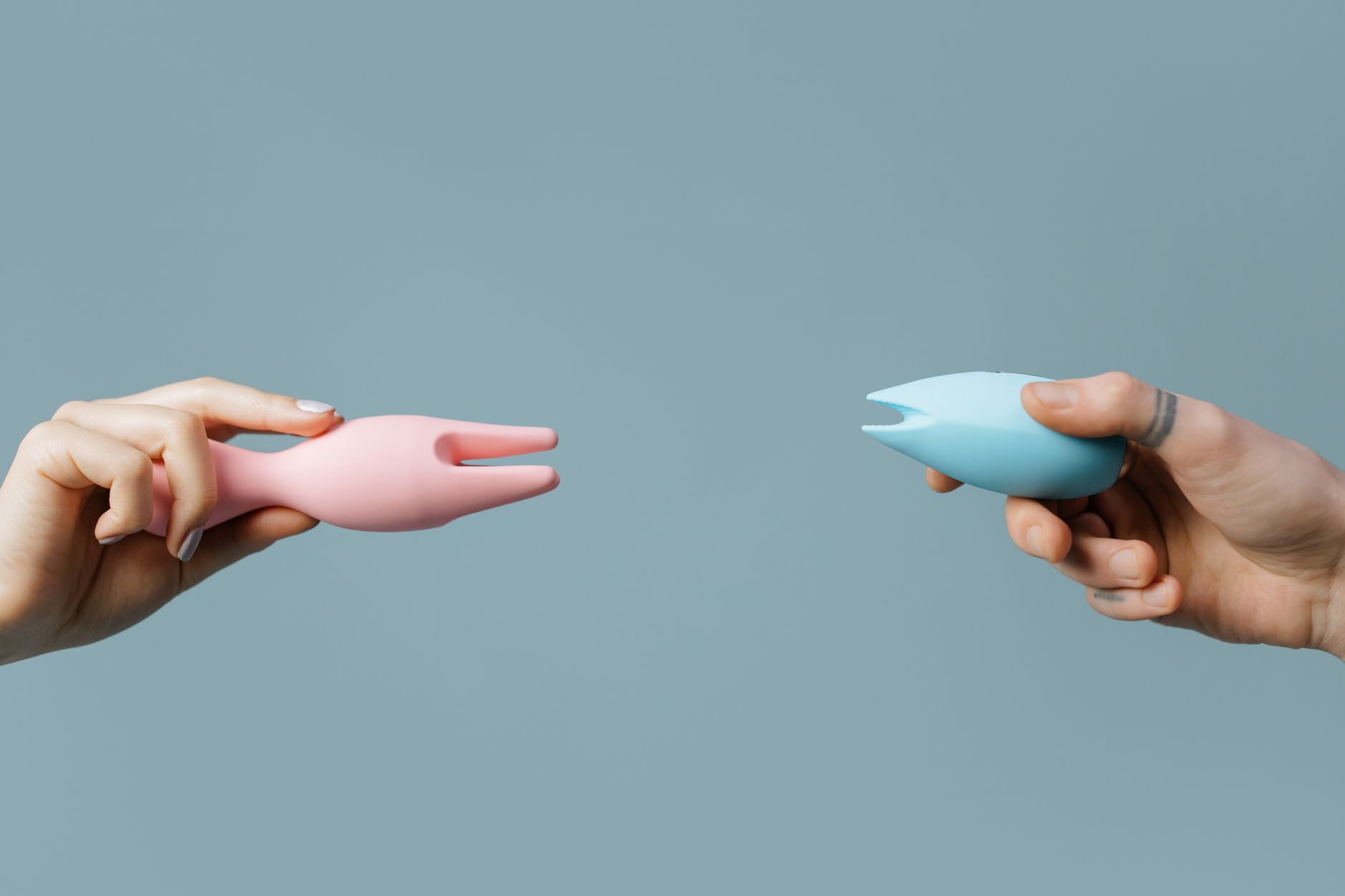
Let's talk about what a long break actually does
Here's the thing nobody mentions: your body doesn't lose the ability to feel pleasure just because you've taken a break from it. Whether that break was months, years, or a decade, the neural pathways for arousal and sensation are still there. They're dormant, maybe, but not gone.
What does happen is psychological. You might feel rusty. Self-conscious. Wondering if your body still works the way it used to. That's real, but it's not a physical problem. It's a confidence gap.
Why the restart feels different (and harder)
When you've been away from sexual activity for a long time, a few things shift physiologically. Your pelvic floor muscles may have tightened from disuse. Blood flow to the genitals isn't what it was when you were regularly aroused. Your clitoris might feel less responsive at first, not because it can't feel, but because it hasn't been woken up yet.
The mental piece is bigger than the physical one. After a hiatus, many people report anxiety around performance, worry about whether they still "work," or shame about the gap itself. If the break followed a loss (relationship ending, grief, medical trauma, depression), you might carry those stories into the experience.
This is exactly where lemon vibrators shine. They're not about forcing pleasure back into existence. They're about giving your body a safe way to remember what sensation feels like.
Why lemon vibrators are the gentlest reset button
Lemon sexual toys and lemon clitoral vibrators work differently than traditional vibrators. Instead of relying purely on vibrational frequency, they use gentle suction and pulsation. This matters enormously when you're restarting because it doesn't require your body to be in a highly aroused state already.
Think of it like physical therapy for pleasure. A traditional vibrator often demands a certain baseline of arousal to feel good. Lemon vibrators can create arousal rather than just intensify what's already there. The suction stimulates nerve endings without the jarring intensity that can feel overwhelming when your nervous system has been offline.
For someone stepping back into their own sexuality after time away, this is the difference between forcing yourself back in at full speed and gently waking up.
The practical roadmap for restarting
Start with no expectation of orgasm
Seriously. Your first few sessions with a lem vibrator should have zero goal beyond "what does this feel like?" Orgasm is a finish line that can actually block pleasure when you're restarting. The moment you add pressure to perform, your nervous system braces.
Instead, think of these sessions as reconnaissance. You're learning what your body responds to now. That might be different from before the break, and that's completely normal.
Warm up your nervous system first
If you've been away from sex, your body needs time to transition into a receptive state. Spend 10-15 minutes doing something calming: a bath, stretching, listening to music you love. This isn't a luxury step. It's neurological. Your vagus nerve (which governs relaxation) needs to shift you out of stress mode.
Only then should you introduce the lem vibrator. Start on the lowest setting. Many people find the sensation unfamiliar at first, almost ticklish. That's fine. Let yourself get used to it.
Use plenty of lubrication
After a long break, lubrication naturally decreases, especially if hormones have shifted. Water-based lube isn't optional here. It's part of the reactivation process. It reduces friction, increases sensation, and signals to your brain that this is safe and pleasurable.
Don't skip this step thinking you're supposed to be "wet enough" already. That's a myth that kills pleasure.
What to expect in the first few weeks
Week one is usually about awkwardness and adjustment. Your body might not feel like much. You might feel self-conscious, even alone. That passes. By week two, most people start noticing tingling, warmth, or unexpected waves of sensation. By week three, something shifts. The nervousness settles.
Some people have intense orgasms right away. Others take weeks to get there. Both are completely normal. The clitoral vibrators in the My Lemon Sexual Toy line are designed to work with your body's timeline, not against it.
One unexpected thing many clients report: pleasure returns before confidence does. You might have a genuinely good sensation, then immediately feel weird about it. That's the gap between what your body is experiencing and what your mind believes you're allowed to have. It closes, but it takes time.
The emotional part is as important as the physical
If your hiatus followed a relationship ending, trauma, health crisis, or depression, pleasure isn't just about nerve endings. It's about reclaiming your right to feel good in your own body. That's psychological work, and it matters.
Some people find that a lemon vibrator helps them separate their sexuality from the context that created the break. "This is for me, right now, by myself," becomes a powerful reclamation. Others need to process grief or anger first before pleasure feels available.
There's no timeline for this. If you're not ready, you're not ready. A vibrator can't force emotional healing. But once you're even slightly ready, it can help your body remember that pleasure is still available to you.
When to bring a partner back into the picture
If you have a partner, don't rush to include them. Let yourself reconnect with your own body and pleasure first. When you do introduce a partner, be explicit about what you're doing: "I'm exploring this for myself right now, and I want to share it with you." Lemon vibrators actually work beautifully in partnered sex because they create a focal point for attention without requiring performance from either person.
See how to use lemon vibrators with a partner for specific strategies on reintegrating pleasure into shared intimacy.
The body doesn't forget
Here's what I want you to remember: your capacity for pleasure didn't leave when you did. It was waiting. A lemon clitoral vibrator isn't a replacement for what's missing. It's an invitation back to something that was always yours.
You don't need to earn your way back into pleasure. You don't need to apologize for the gap. Your body is ready whenever you are, and tools like the lemon vibrators from My Lemon Sexual Toy are there to help you remember what feeling good feels like.
People also ask
How long does it usually take to feel sensation again after a long break?
Most people notice some return of sensation within the first few weeks of regular exploration. This doesn't mean full orgasmic capacity, but tingling, warmth, or localized pleasure. The timeline varies based on whether the break was purely circumstantial or tied to medication, hormonal changes, or emotional factors. Patience matters more than speed here.
Can I damage my clitoris by not using it for a long time?
No. Your clitoris isn't a muscle that atrophies the way biceps do. It's a complex network of nerve endings that doesn't go dormant or disappear. After a break, it might feel less responsive initially, but that's nervous system hesitation, not physical damage. Your body remembers.
Is it normal to feel emotional when pleasure returns?
Completely normal. Pleasure isn't just physical. When sensation comes back, especially after a difficult period, emotions often surface. You might feel grief about time lost, joy about reconnection, or shame that lingers. All of these are valid. A vibrator can help with the physical part, but processing the emotions might require talking to a therapist or trusted confidant.
Should I use lemon vibrators alone or with a partner when restarting?
Alone, first. Let your body and mind establish that pleasure is available to you independent of anyone else's participation or approval. Once you're comfortable with your own sensation, bringing a partner into the experience (if you have one) becomes easier and more authentic. Solo exploration is the foundation.
What if I'm using antidepressants or other medication that affects sensation?
Medication can absolutely reduce sensation or make orgasm harder. This doesn't mean pleasure is impossible. Lemon vibrators often help because the suction mechanism can work with reduced sensation in ways gentler vibration can't. If medication is the barrier, talk to your doctor. Sometimes adjusting timing, dosage, or the medication itself helps. Pleasure isn't something you have to sacrifice.
How do I know if my break is too long to come back from?
It isn't. Decades of clinical work shows that human sexuality has remarkable resilience. Your body hasn't forgotten how to feel. What might be blocked is emotional permission, safety, or processing grief. That's all addressable. Start slow, be patient with yourself, and know that reconnection is possible at any age, after any gap.
Final thoughts
Starting over sexually is brave work. It requires you to be vulnerable with your own body, to challenge shame, and to trust that pleasure is still possible for you. Lemon vibrators can't do the emotional work, but they can offer your body a safe, gentle way to wake up.
Your capacity for pleasure didn't go anywhere. It was just waiting for you to be ready.
If you're ready to take that first step, reach out. We're here to help you find the right tool for your restart, no judgment, no pressure.